
- by
- 05 23, 2024
-

-
-
Loading
Loading
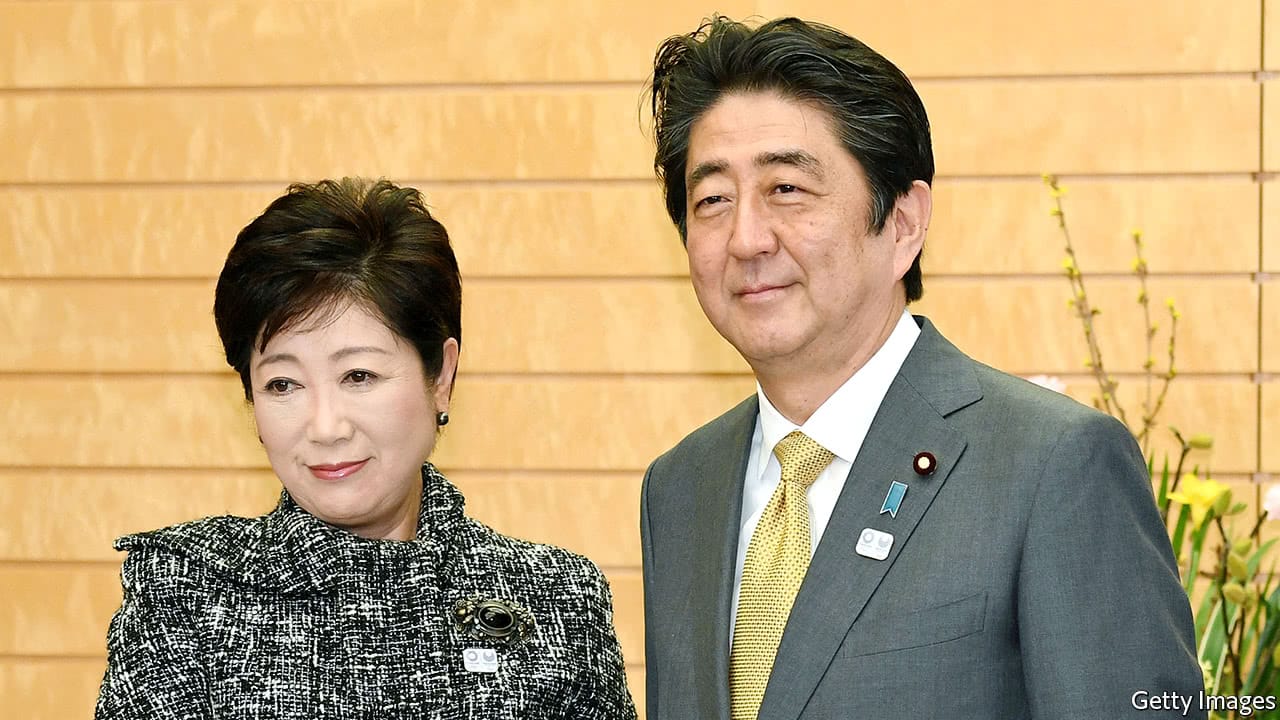
JAPAN’S economy has been so sickly for so long that many have stopped looking for signs of recovery. And yet, on close examination, they are there. Years of massive fiscal and monetary stimulus seem to be having some effect. Unemployment is below 3%—the lowest rate in 23 years—and wages are rising, at least for casual workers. Prices are creeping up, too, albeit by much less than the Bank of Japan’s 2% inflation target. To outsiders, this may sound underwhelming. But for a country that has suffered from almost 30 years of on-and-off recession and deflation, it holds out the prospect of deliverance. The past 18 months of modest expansion constitute the longest stretch of uninterrupted growth in more than ten years.The architect of this semi-revival, Shinzo Abe, has been prime minister for nearly five years—close to the record for the era since Japan’s massive asset-price bubble burst in 1990. This week he called a snap election, with the vote set for October 22nd. The result is not really in doubt: it would be an astonishing reversal if Mr Abe’s Liberal Democratic Party (LDP), which currently holds a two-thirds majority with its ally, Komeito, did not lead the next government. But a series of scandals have sapped Mr Abe’s authority, and he may face more competition than he was bargaining for. Politics could yet derail the tentative recovery, leaving the world’s third-biggest economy in the mire once more.


